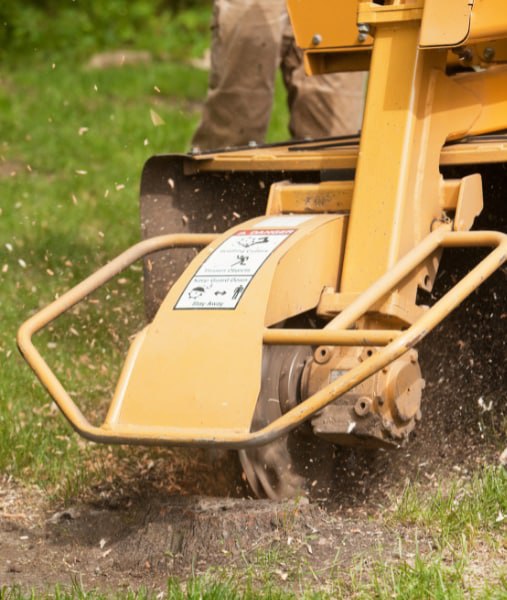
After a tree has been felled, the remaining stump can easily become an overlooked part of the garden. Although it may initially appear harmless, it can obstruct maintenance, occupy useful space and interfere with plans for new landscaping.
Professional stump removal, commonly completed through stump grinding, reduces the remaining timber to below ground level. For gardens in Rye, East Sussex, this can make the affected area safer, tidier and easier to reuse.
How Tree Stump Removal Can Improve Your Garden
The value of stump removal extends beyond appearance. A stump can affect access, lawn care, planting and the way a garden is organised. Removing it provides greater flexibility while reducing several practical problems.
The main benefits include:
- Reclaiming usable garden space
- Removing a potential trip hazard
- Making mowing and maintenance easier
- Preventing unwanted shoots from developing
- Supporting future landscaping
- Creating a tidier overall appearance
- Reducing obstacles around paths and seating areas
The most suitable removal method depends on the stump’s size, location, surrounding ground and intended future use of the area.
Reclaiming Valuable Garden Space
A stump may occupy only a small area, but its position can restrict how the surrounding space is used. It may prevent furniture from being arranged comfortably, interrupt a lawn or stand in the way of a proposed path, patio or planting bed.
Grinding the stump below ground level makes the area easier to incorporate into the rest of the garden. The next stage can then be planned according to whether the space will become lawn, planting or another garden feature.
Removing several stumps can make an especially noticeable difference in an overgrown or recently cleared garden.
Reducing Trip Hazards
Low stumps can be difficult to see, particularly when hidden by grass, leaves or surrounding plants. Exposed roots may create additional uneven areas around the base.
These obstacles can be inconvenient near frequently used routes, play areas and seating spaces. Removing the stump helps create a clearer and more accessible garden layout.
Professional assessment is important because some surface roots may extend beyond the visible stump and require consideration during the work.
Making Lawn Care Easier
Mowing around a stump takes additional time and can leave untidy strips of grass around its edges. Exposed timber and roots may also obstruct other garden equipment.
Once the stump has been ground down and the area reinstated appropriately, regular maintenance becomes more straightforward. This allows the lawn to form a more continuous surface without an awkward central obstacle.
The ground may need suitable preparation before new grass is established, as remaining grindings and disturbed soil can affect the final level.
Controlling Unwanted Regrowth
Some tree species can produce new shoots from the stump or remaining root system after the main tree has been removed. Cutting these shoots back repeatedly may not resolve the problem because the stored energy within the roots can support further growth.
Stump grinding removes the main body of timber from which shoots commonly develop. Additional management may be needed where vigorous roots continue producing growth, but removing the stump makes the area considerably easier to monitor and maintain.
Creating Better Conditions for Landscaping
Leaving a stump in place can complicate plans for garden improvements. Its roots may occupy the soil beneath a future flower bed, while the remaining timber can interfere with excavation and accurate ground preparation.
Removing it early allows the area to be assessed before landscaping begins. This is particularly useful when planning:
- A new lawn
- Paths or paved areas
- Raised beds
- Decorative planting
- Garden seating
- Borders and edging
- General ground levelling
The intended use should be discussed before grinding begins because it can influence the required depth and extent of the work.
Improving the Garden’s Appearance
An old stump can make an otherwise maintained garden appear unfinished. As the timber weathers, it may become cracked, uneven or surrounded by unmanaged growth.
Removing the stump creates a cleaner transition between lawns, borders and hard-landscaped areas. It also allows the garden design to become the focus rather than the remains of a previously removed tree.
Reducing Decaying Timber
A stump naturally decays over time, but this can be a slow and uneven process. As the timber softens, sections may break away and leave a depression in the ground.
Professional grinding removes the main obstruction in a controlled manner. The resulting material can then be managed, and the area can be prepared for its intended use rather than waiting for natural decay.
Stump removal does not eliminate every underground root. Most roots are normally left to break down gradually unless there is a specific reason for further excavation.
Stump Grinding Versus Full Excavation
Stump grinding uses specialist machinery to break the stump into small wood fragments below the surrounding ground level. It usually avoids the extensive disturbance associated with digging out the entire root system.
Full excavation removes more of the stump and roots but can affect a much wider area of the garden. It may require significant ground reinstatement afterwards.
The appropriate method depends on:
- The size and species of the tree
- Access for equipment
- Proximity to paths, structures and planting
- The depth of the roots
- The planned use of the area
- The condition of the surrounding ground
A professional tree surgeon can assess these factors and recommend a suitable approach.
Why Professional Removal Matters
Stumps can be dense, irregular and more extensive below ground than expected. Attempting to dig one out manually can disturb a large area without removing the main root crown effectively.
Professional stump grinding uses appropriate machinery to reduce the timber methodically. The working area should be checked for nearby obstacles, services and features before work begins.
Careful planning also helps limit unnecessary disruption to the surrounding garden.
Conclusion
Tree stump removal can reclaim useful space, reduce trip hazards, simplify garden maintenance and prepare an area for future landscaping. It can also prevent the remaining stump from becoming an untidy obstacle or producing repeated regrowth.
Rye Tree Surgeons provides professional stump assessment and grinding services in Rye, East Sussex. If an old stump is restricting how you use or maintain your garden, contact the team to discuss an appropriate removal method.
Call us on: 01797 334499
Click here to find out more about Rye Tree Surgeons
Click here to complete our contact form and see how we can help with your trees needs